
 By
By Owning a car brings comfort and independence, but it also comes with responsibilities. Over time, even well-maintained vehicles develop issues that can affect performance, safety, and fuel efficiency. Understanding common car problems and knowing how to respond can save money, prevent breakdowns, and extend the life of your vehicle.
This guide explains the most frequent car problems drivers face and practical ways to fix or manage them.
Engine Not Starting
One of the most frustrating situations drivers experience is turning the key and the engine refusing to start. Several issues may cause this problem.
Possible Causes
- Weak or dead battery
- Loose or corroded battery terminals
- Faulty starter motor
- Empty fuel tank
- Ignition switch failure
How to Fix It
Start by checking whether dashboard lights turn on. If they do not, the battery is likely discharged.
Try these steps:
- Clean battery terminals using warm water and a brush
- Tighten loose connections
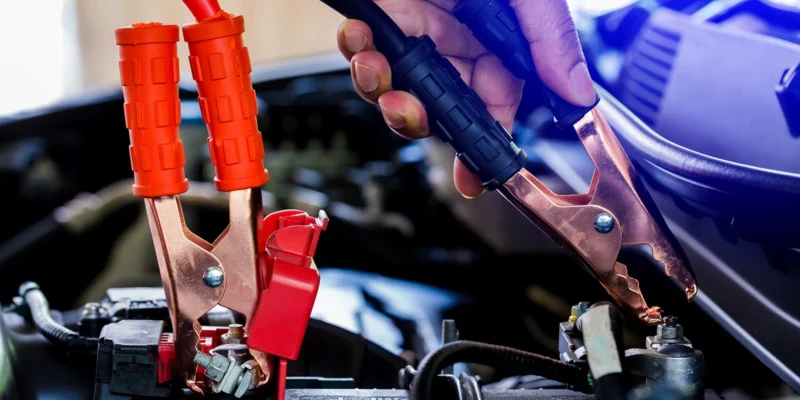
- Jump-start the battery using jumper cables
- Refill fuel if the tank is empty
- If clicking sounds occur when turning the key, inspect the starter motor
If the issue persists, professional inspection is recommended.
Overheating Engine
An overheating engine can cause serious internal damage if ignored. Recognizing warning signs early helps prevent costly repairs.
Warning Signs
- Temperature gauge rising above normal range
- Steam from the bonnet
- Burning smell
- Reduced engine performance
How to Fix It
Follow these steps immediately:
- Stop driving safely
- Turn off the engine
- Allow the engine to cool before opening the radiator cap
- Check coolant levels
- Refill coolant if necessary
Inspect hoses and radiator for leaks. If overheating continues, the thermostat or water pump may require replacement.
Poor Fuel Efficiency
If your car suddenly starts consuming more fuel than usual, it indicates an underlying problem affecting engine efficiency.
Possible Reasons
- Dirty air filter
- Incorrect tire pressure
- Faulty oxygen sensor
- Worn spark plugs
- Aggressive driving habits
How to Fix It
Improve mileage with these simple actions:
- Replace the air filter regularly
- Maintain correct tire pressure
- Service fuel injectors periodically
- Replace worn spark plugs
- Avoid unnecessary acceleration and braking
Routine servicing plays a major role in maintaining fuel efficiency.
Brake Problems
Brake issues should never be ignored because they directly affect vehicle safety.
Warning Signs
- Squeaking or grinding noise
- Reduced braking performance
- Vibrations while braking
- Brake warning light on dashboard
How to Fix It
Take immediate action if you notice any symptoms:
- Replace worn brake pads
- Inspect brake discs for damage
- Check brake fluid level
- Bleed brake lines if necessary
Regular brake inspection ensures safe driving conditions.
Battery Drain Issues
Battery drain can leave you stranded unexpectedly. Identifying the source early helps prevent repeated failures.
Common Causes
- Leaving headlights or cabin lights on
- Faulty alternator
- Old battery nearing end of life
- Electrical wiring problems
How to Fix It
Try these solutions:
- Turn off all lights when exiting the vehicle
- Test alternator output
- Replace old batteries every few years
- Inspect wiring for hidden faults
Routine electrical inspection helps avoid sudden battery failure.
Warning Lights on Dashboard
Dashboard warning lights communicate important information about your vehicle’s condition. Ignoring them can lead to major mechanical issues.
Common Warning Lights
- Check engine light
- Oil pressure light
- Battery warning light
- Brake warning light
How to Fix It
Follow these steps:
- Check owner manual for warning meanings
- Inspect fluid levels
- Use a diagnostic scanner if available
- Visit a technician if the light remains active
Early attention prevents expensive repairs later.
Unusual Vibrations While Driving
Vibrations during driving often signal alignment or suspension problems.
Possible Causes
- Wheel imbalance
- Misaligned tires
- Suspension wear
- Damaged tires
How to Fix It
Address vibration issues quickly:
- Balance wheels regularly
- Perform wheel alignment checks
- Replace worn suspension components
- Inspect tires for uneven wear
Maintaining proper alignment improves safety and comfort.
Smoke from the Exhaust
Different smoke colors indicate different engine problems.
Smoke Color Meaning
- Blue smoke suggests oil burning inside engine
- White smoke indicates coolant leakage
- Black smoke signals excess fuel combustion
How to Fix It
Solutions depend on smoke color:
- Replace worn piston rings if oil burns
- Repair coolant leaks immediately
- Clean fuel injectors if excess fuel burns
Ignoring exhaust smoke can cause serious engine damage.
Frequently Asked Questions
How often should a car be serviced to avoid major problems
Most vehicles should be serviced every six months or after every 5000 to 10000 kilometers depending on usage and manufacturer recommendations.
What is the most common reason a car breaks down unexpectedly
Battery failure is one of the most frequent causes of sudden breakdowns, especially in older vehicles.
Can low tire pressure damage a car
Yes low tire pressure reduces fuel efficiency, affects handling, and increases tire wear.
Is it safe to drive with the check engine light on
It depends on the issue. If the light flashes, stop driving immediately. If it stays steady, inspect the vehicle soon.
How long does a typical car battery last
Most car batteries last between three to five years depending on climate and driving habits.
What causes brakes to make noise
Brake noise usually results from worn brake pads, dust accumulation, or damaged rotors.
When should coolant be replaced in a vehicle
Coolant replacement is typically recommended every two to three years, though intervals vary by vehicle model.