 By
By Lighting shapes how a home feels as much as how it looks. Thoughtful lighting design can make a compact room feel open, a quiet corner feel calming, and a social space feel warm and inviting. By combining layered illumination, smart placement, and the right fixtures, homeowners can transform interiors into emotionally supportive environments that adapt throughout the day.
Why Lighting Plays a Powerful Role in Interior Mood
Lighting influences perception, comfort, and even daily routines. Natural light energizes spaces during the day, while softer artificial lighting promotes relaxation in the evening. Proper lighting design balances brightness, contrast, and color temperature to support both function and atmosphere.
Key emotional effects of lighting include:
- Warm lighting encourages relaxation and comfort
- Cool lighting improves focus and alertness
- Accent lighting creates visual interest and depth
- Layered lighting enhances spatial harmony
Understanding these effects helps homeowners design spaces that feel intentional rather than accidental.
Use Layered Lighting for Balanced Interiors
Layered lighting combines different types of illumination to create flexibility and comfort. Instead of relying on a single ceiling fixture, thoughtful layering builds dimension across the room.
The three essential lighting layers include:
Ambient lighting
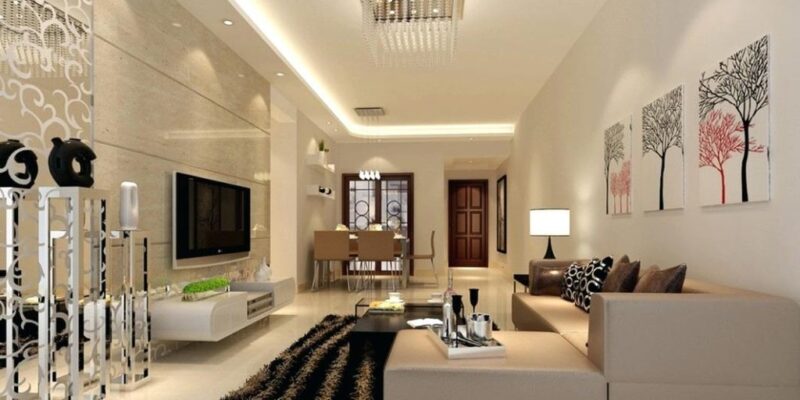
Provides overall illumination through ceiling fixtures, recessed lights, or cove lighting. It forms the foundation of the lighting plan.
Task lighting
Supports activities such as reading, cooking, or working. Examples include desk lamps, pendant lights above counters, and vanity lights.
Accent lighting
Highlights architectural details, artwork, or textures. Wall washers, spotlights, and LED strips are commonly used.
Together, these layers create spaces that feel both practical and visually engaging.
Choose Warm Lighting for Relaxation Zones
Relaxation spaces benefit from warm light tones because they reduce visual tension and support comfort. Bedrooms and living rooms especially respond well to softer illumination.
Best practices include:
- Using warm white bulbs between 2700K and 3000K
- Installing dimmers to adjust intensity easily
- Adding bedside lamps instead of relying only on overhead fixtures
- Choosing shaded fixtures that diffuse brightness gently
Warm lighting encourages restful evenings and creates a welcoming atmosphere after sunset.
Highlight Architectural Features with Accent Lighting
Accent lighting introduces depth and personality into interiors. Instead of flat illumination, it creates contrast that draws attention to important design elements.
Effective accent lighting strategies include:
- Highlighting textured walls or stone finishes
- Illuminating bookshelves and display niches
- Adding LED strips under cabinets or shelves
- Using spotlights to showcase artwork
These subtle additions make interiors feel layered and thoughtfully designed.
Incorporate Natural Light Wherever Possible
Natural daylight remains the most effective mood-enhancing light source. It improves wellbeing and visually enlarges interior spaces.
Ways to maximize natural light include:
- Using sheer curtains instead of heavy drapes
- Positioning mirrors opposite windows
- Choosing lighter wall colors
- Installing skylights where feasible
Daylight creates freshness that artificial lighting alone cannot replicate.
Install Dimmers for Flexible Mood Control
Lighting needs change throughout the day. Dimmers allow users to adapt brightness according to activity and time.
Advantages of dimmer switches include:
- Supporting relaxation during evenings
- Reducing glare during screen use
- Enhancing dining atmosphere
- Saving electricity
Adjustable lighting ensures one space can serve multiple purposes without redesign.
Select Statement Fixtures as Decorative Elements
Lighting fixtures are not only functional but also expressive. Sculptural chandeliers, pendant lights, and designer floor lamps contribute personality to interiors.
Popular statement lighting ideas include:
- Oversized pendants above dining tables
- Geometric chandeliers in entryways
- Minimalist floor lamps in reading corners
- Cluster lighting above kitchen islands
A carefully chosen fixture becomes both a light source and a visual centerpiece.
Use Smart Lighting to Personalize Interior Atmosphere
Smart lighting systems allow homeowners to adjust brightness, timing, and color tone through mobile apps or voice control. This flexibility helps match lighting to routines effortlessly.
Smart lighting benefits include:
- Automated evening lighting schedules
- Adjustable brightness for different activities
- Scene settings for relaxation or entertaining
- Energy-efficient control options
Technology makes mood-based lighting easier to maintain consistently.
Enhance Small Spaces with Strategic Lighting Placement
Compact rooms often appear cramped when lighting is poorly planned. Strategic placement can visually expand space and improve comfort.
Helpful techniques include:
- Installing wall-mounted lights instead of floor lamps
- Using vertical lighting to emphasize height
- Adding mirror lighting to reflect brightness
- Avoiding overly harsh central fixtures
Even small adjustments can dramatically improve spatial perception.
FAQ Section
How does lighting influence mood inside a home
Lighting affects comfort, productivity, and relaxation by changing brightness levels and color tones that influence emotional responses throughout the day.
What color temperature is best for living rooms
Warm white lighting between 2700K and 3000K creates a cozy and welcoming living room atmosphere suitable for relaxation and social interaction.
Is layered lighting necessary for every room
Layered lighting improves flexibility and comfort in most spaces, though the number of layers can vary depending on room function and size.
Can accent lighting make a small room look bigger
Yes. Accent lighting adds depth and highlights vertical surfaces, helping small rooms feel more spacious and visually balanced.
Are dimmer switches worth installing in modern homes
Dimmers allow better brightness control, improve energy efficiency, and support different moods throughout the day, making them a valuable upgrade.
What type of lighting works best for bedrooms
Soft warm lighting combined with bedside lamps and adjustable fixtures creates a restful and comfortable bedroom environment.
How can natural light be increased without structural changes
Using mirrors, lighter wall colors, and sheer window coverings helps maximize daylight penetration without major renovation work.